

Stories from Employers
Learn about employers who are already taking steps to include their disability and neurodiversity employment practices.


Opening doors through internships
A six-week, paid internship has become a powerful way for Hind Management/Sudima Hotels to remove barriers to employment for disabled people and grow confident, capable teams at the same time.
Accessibility built on trust and everyday practice
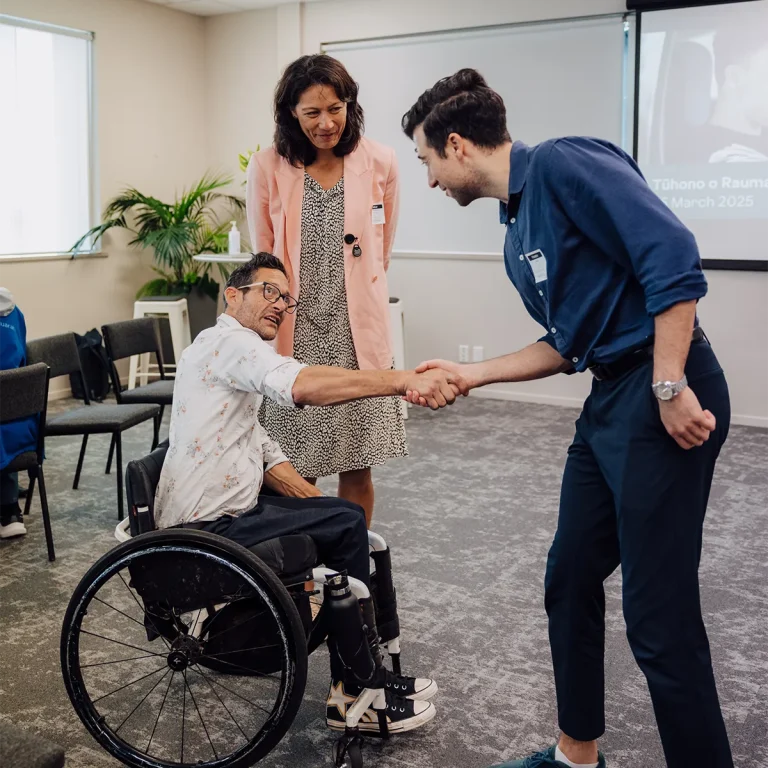
For more than 20 years, Kaikaranga has supported disabled people and whānau. Their story shows accessibility is about building trust and taking small, practical steps over time.

Removing assumptions to unlock talent
Project Employ supports neurodiverse young adults to transition into meaningful, paid employment. While best known for supporting employers, the not-for-profit also follows its own advice.

Making accessibility part of everyday work
AIA New Zealand’s accessibility journey began with a simple insight: with 1 in 6 New Zealanders identifying as disabled and around 1 in 5 as neurodivergent, accessibility must be part of everyday work.
Accessibility by design, every day
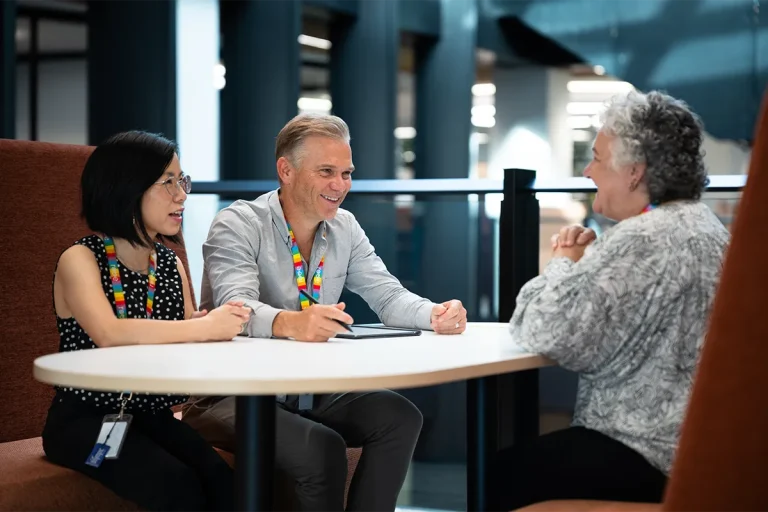
Vector builds and maintains the energy network for New Zealand’s largest city. In 2019, the company began improving accessibility with an approach of: start small, stay curious and keep going.

Building confidence in neurodiversity
Hato Hone St John is taking a practical, people‑centred approach to support neurodiversity across its workforce. While the work began small, it is now driving confident, sustained change.

Designing work around people
Taimahi Trust is a Whangārei‑based not-for-profit organisation that supports people with learning and intellectual disabilities to build skills, agency, and self-determination.

Putting people first in recruitment
When their Accessibility Tick audit highlighted potential accessibility improvements to their recruitment processes, Parliamentary Service and Office of the Clerk chose to focus on achievable, meaningful steps.

Making it easier for people to work well
With about half of its staff identifying as disabled, The Ministry of Disabled People – Whaikaha embeds inclusive ways of working into daily practice. This shapes how it supports its people to do their jobs well.

Reflective practice leading to practical change
Change does not always come from formal reviews or planned initiatives. At market research agency, The Research Agency (TRA), it emerged through everyday conversations that prompted the organisation to pause, reflect, and adjust how it approached recruitment and ways of working.

Rethinking recruitment to unlock neurodivergent talent
New Zealand Police partnered with Autism NZ to rethink recruitment and create better pathways for neurodivergent talent. This case study explores how an inclusive employment pilot in the Financial Intelligence Unit replaced traditional interviews with a practical, strengths-based assessment process, supported by mentoring, manager training and clearer workplace communication. It shows how employers can improve accessibility, unlock capability and build more inclusive workplaces by designing recruitment and onboarding around people.

Inclusion starts with a conversation
Creative industries thrive on different perspectives, ideas and ways of solving problems. At PikPok, creating an environment where people can work in ways that suit them has helped build stronger teams, better collaboration and successful games.
Have your own story to share?
We want to celebrate disability employment success. If you have a story you would like to share, please don't hesitate to reach out by completing the below form. See the Contact Us page for other ways to reach out.
